

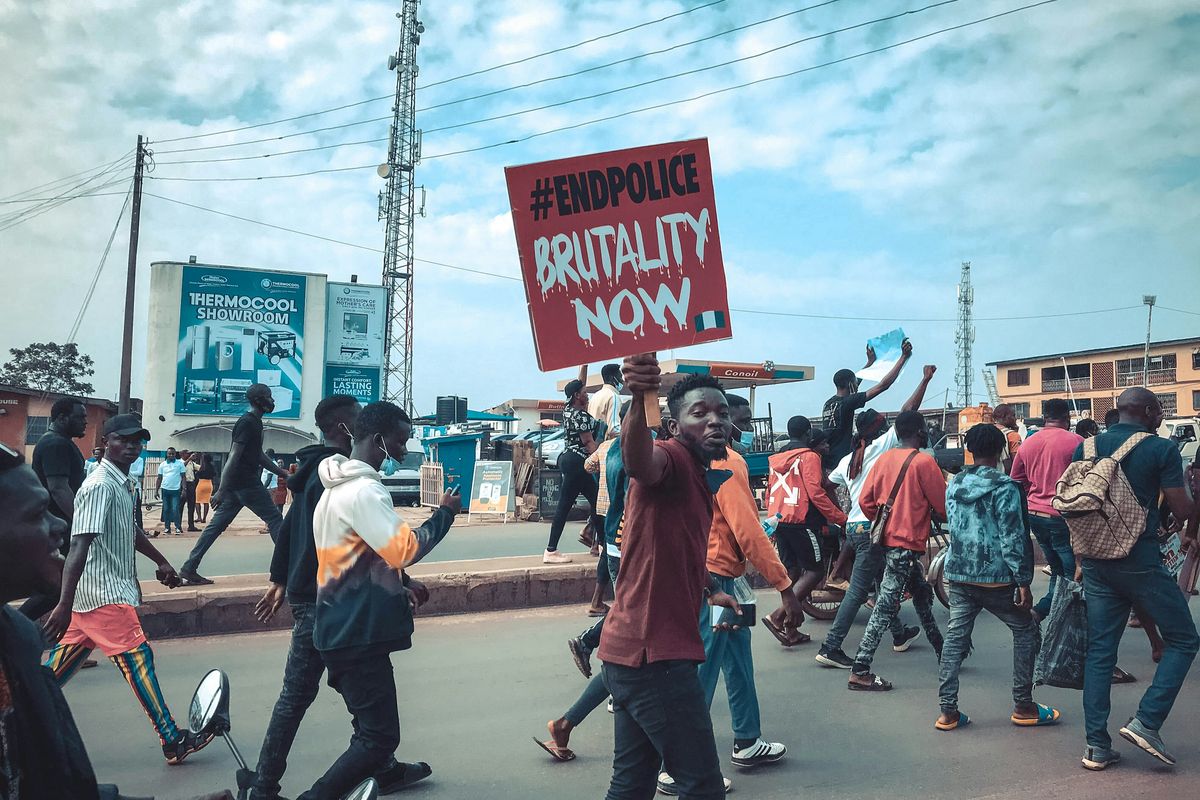
In recent days, I have come across numerous videos on social media documenting police harassment and misconduct in Ilorin. Each time I watch these clips and read the stories behind them, I feel a deep sense of sadness and unease. In a city once celebrated for its tranquillity and safety, frequent reports of police encounters are making young people feel trapped, forcing many to search for any available escape.
A week ago, a friend called to tell me he had been harassed around the Fate area. He described Fate as a point of no return for many youths—not because they face physical harm there, but because they rarely return home without agreeing to “settle” the officers, as he alleged.
My friend is naturally funny, so when he first called and said, “Wallahi, olopa gbemi oo” (I swear, the police have picked me up), I thought he was joking. It was about 8:23 p.m. He was riding his motorcycle home towards Gambari when police officers stopped him at Fate.
The first items taken from him were his two mobile phones: a basic feature phone and his iPhone. This immediately brought to mind a report published by Punch on 21 July 2026, in which the FCT Commissioner of Police, CP Ahmed Sanusi, reiterated the Inspector-General of Police’s directive against indiscriminate phone searches during roadside stops.
Despite this clear directive, my friend’s phones were searched. He was questioned simply for having multiple email accounts and the Binance application installed on his device. When he asked whether holding these apps had suddenly become an offence, an officer ordered his motorcycle loaded into the police van and forced him to get in.
At the station, he was asked to write a statement. He refused, demanding to know what crime he had committed. His phones were withheld until 9:08 a.m. the following day, when he was told to contact a family member for bail. When his brother arrived, officers accused my friend of being a “Yahoo boy” simply because his phone contained a standard calculator app and multiple email addresses. When did basic productivity tools become evidence of criminality? Nothing illegal was reportedly found on him, yet civilians stand little chance in an argument against armed officers. He was eventually released after money was collected from him. From his account, paying was the only way out, proving to him that resisting injustice merely wasted his time and energy.
This incident painfully recalled my own encounter with police misconduct on 22 June 2026. I was in Kano at the time, suffering from a severe skin rash. A friend in Ilorin had agreed to buy traditional black soap from home and dispatch it to me. Around noon, while heading towards Okin Park to send the package, he was stopped by officers who demanded his phone. He handed over his basic phone, and the officers inspected the package. One officer allegedly mocked him, saying, “Awon omo Yahoo oloose nii” (These are Yahoo boys using ritual soap).
Despite explaining that the soap was for a medical skin condition, my friend was taken to the station. He was only allowed to make a call around 4:00 p.m. When he finally reached me, he was exhausted and mentioned he had been fasting all day.
Initially, I wondered if the issue involved another friend’s phone he was sending to Kano after repairs, so I asked if the repair receipt was attached. He clarified that the sole issue was the black soap. I immediately asked another friend in Ilorin to go to the station. After hours of argument and back-and-forth negotiation, we were forced to pay ₦20,000 in cash before he was allowed to leave. From my understanding of the event, this was outright extortion.
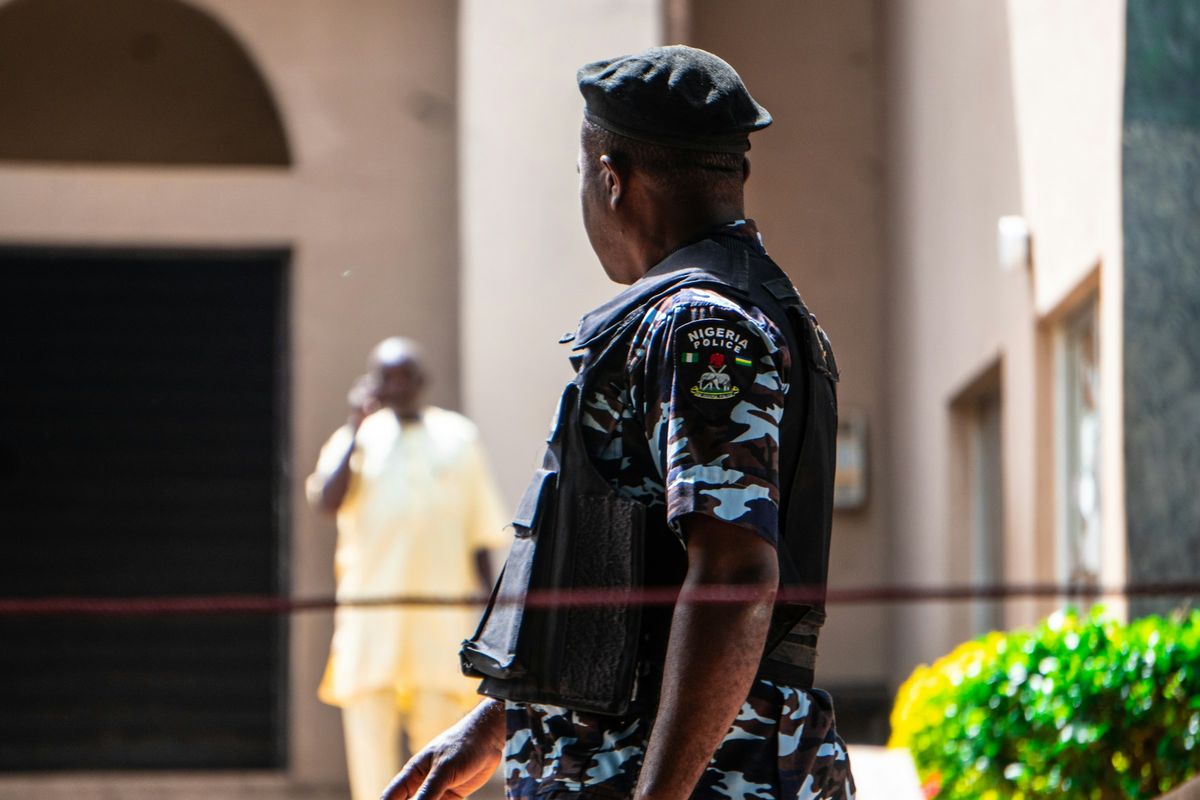
It is disheartening that those tasked with protecting the public have become the very figures citizens fear. In Ilorin, young people now distinguish between “Dangote police” and “AKS police,” as though the severity of harassment depends on which squad stops you. “Dangote police” refers to officers patrolling in vehicles donated by Alhaji Aliko Dangote. Accounts shared with me suggest some residents believe these officers resolve encounters faster and remain more open to negotiation.
In contrast, people who have shared their experiences describe the Anti-Kidnapping Squad (AKS) as far more aggressive. They allege that officers demand phones immediately and may assault anyone who hesitates. Even when nothing incriminating is found, officers often suspect the individual is hiding a secondary phone. Some residents suspect that officers formerly associated with the dissolved Special Anti-Robbery Squad (SARS) may be among those involved, although I cannot independently verify this. What concerns me most is the striking similarity between the reported conduct and the brutality previously associated with SARS. It leaves me asking: did SARS truly end, or did the same problem simply take on another name?
Certain areas of Ilorin no longer feel safe to young people driving cars or holding decent smartphones. The perceived value of a person’s phone often influences how much they are expected to pay. Key thoroughfares—including Fate, GSS Ilorin, Agric, Oyun Junction, and the Kwara State Polytechnic axis—have become major points of concern for students and residents. Although patrols may be stationed along these routes for security reasons, frequent reports of harassment leave young people apprehensive about daily movement. I personally witnessed a passenger jump out of a tricycle and run away before being questioned. While I cannot confirm his exact motivation, the incident reflects the deep fear many youths associate with police encounters.
We are reaching a point where students and young citizens feel their basic rights are being disregarded, leading many to view Ilorin as a high-risk zone rather than the peaceful city it has long been.
I believe the State Governor, as the Chief Security Officer of Kwara State, must take decisive steps to address these reports of harassment and brutality. While the police is a federal institution, the Governor can formally engage the Commissioner of Police and the Kwara State Police Command to address these concerns.
The Command should establish an accessible channel through which victims can report harassment without fear of intimidation. There should also be clear directives against indiscriminate phone searches and harassment during routine patrols, with credible allegations properly investigated. My concern is not to undermine the efforts of officers genuinely committed to protecting lives and property, but to ensure that the misconduct of others does not continue to erode public confidence in the institution.
Ilorin is the capital of Kwara State and reflects the image of the state. It is time to enforce accountability and give our youth room to breathe.

Comments
No comments yet.