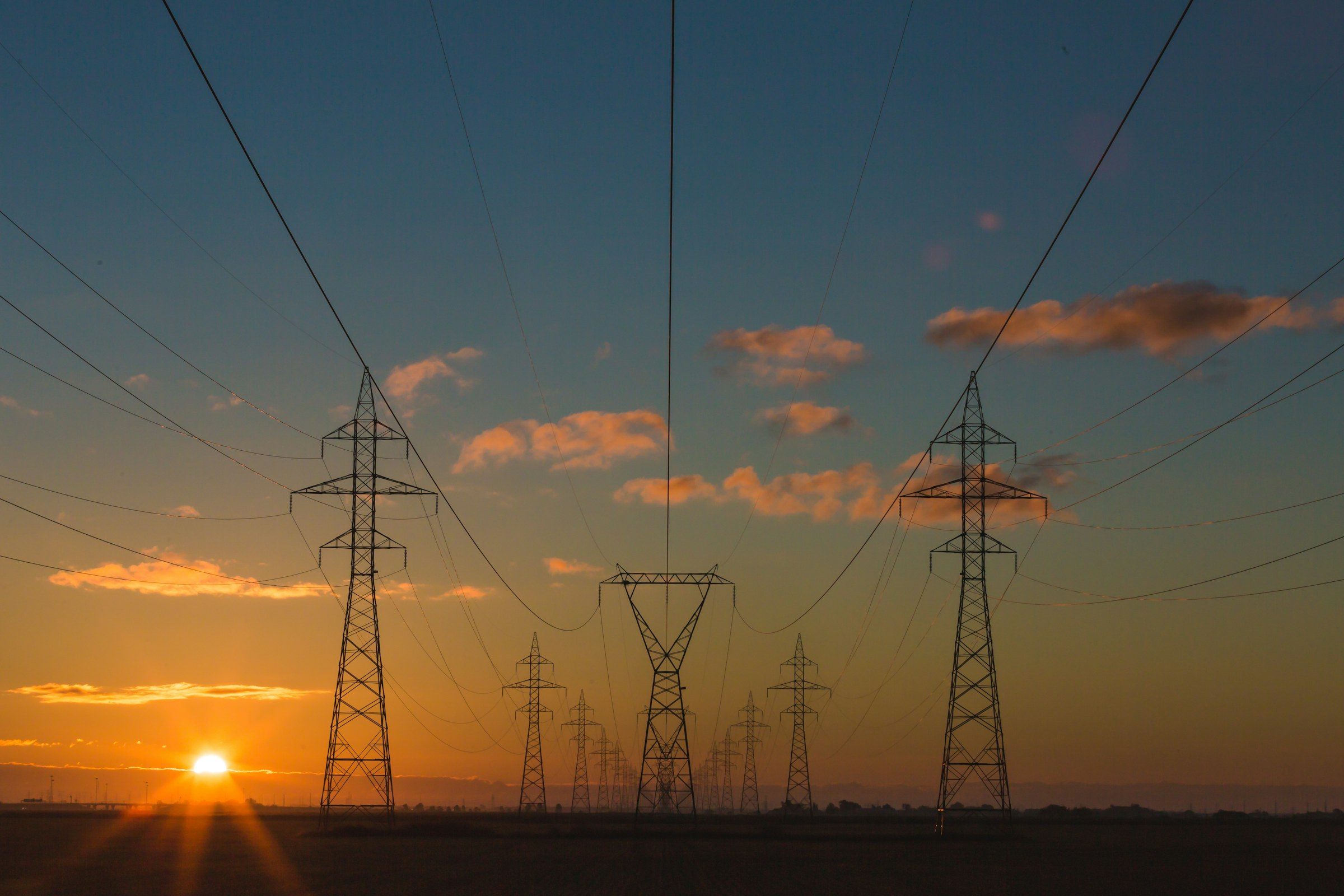
Africa has no shortage of ambition when it comes to infrastructure development, and the demand for financing is substantial. African governments are grappling with formidable challenges stemming from over-leveraged balance sheets and soaring debt repayment obligations. In recent years, many countries across the continent have significantly increased borrowing to fund infrastructure projects and fulfil budgetary needs stemming from successive crises.
This surge in debt accumulation has raised debt-to-GDP ratios, in some countries surpassing internationally recognized thresholds for sustainable debt levels. This is in turn, raising the risks of debt distress, and making it harder and harder to finance much needed infrastructure spending.
Compounding the fiscal challenges, compared to other regions of the world, Africa struggles with relative low revenue mobilization, exemplified by its lower tax-to-GDP ratio. This combination of rising debt levels, corruption in large infrastructure projects and insufficient revenue mobilization as well as volatile commodity prices related to over-dependent on raw materials exports, severally limits the fiscal space available to African governments for investment spending, particularly on critical infrastructure projects. Thus, impeding the continent’s economic growth and development prospects.
Further compounding the fiscal challenges, one important obstacle stands in the way of boosting Africa’s intra-regional trade, namely, inadequate infrastructure, which adds 30 – 40% to the cost of intra-regional trade. Just 15% of Africa’s trade is intra-regional, compared to 60% of Asian trade and 70% of European trade.
Fixing this deficit will require, according to the African Development Bank, infrastructure spending of between $130 and 180 billion dollars annually to close the continent’s infrastructure gap, estimated at between $68 and 108 billion dollars each year. in 2023, Sub-Saharan Africa invested about 3.5% of its GDP in infrastructure, which is less than 7.1% needed to meet Sustainable Development Goals (SDGs 1 – 17) of the UN Agenda 2030. In 2023, in terms of infrastructure investment growth, Egypt received the highest value of private sector funds for infrastructure in Africa, with almost $2.3 billion dollars, followed by South Africa with $1.04 billion, Senegal with $316 million and Nigeria with $133 million dollars.
The above calls for a new approach to infrastructure development and innovative financing options, cultivating new sources of investment and developing more forward-thinking and integrated infrastructure plans.
The justification for the above call lies in the fact that, infrastructure (both hard and soft, including energy, transport, digital or ICT/telecommunications and social infrastructure like health, housing, water and sanitation) is the backbone of any thriving economy, and in Africa, this is about movement of goods, people and services, due to Africa’s vast size and diverse geography. Infrastructure therefore, is about connecting people and markets, facilitating trade, boosting investments, improving the quality of life of citizens and creating new employment opportunities for millions.
The call for bridging the financing gaps by unlocking innovative options/models for infrastructure financing in Africa, applies to Nigeria. With a rapidly expanding and urbanizing population, Nigeria faces a significant infrastructure deficit, estimated to reach $878 billion dollars by 2040. However, the country’s current infrastructure stock constitutes only 30% of GDP, far below the World Bank’s benchmark of 70%. Despite reforms such as the National Integrated Infrastructure infrastructures Master Plan, Infrastructure deficits remain, with only 30% of the country’s estimated 200,000 road network, plagued by vandalism and funding gaps, is still under-developed. Despite being the cheapest means of transportation and capable of moving freight and passengers across longer distances more efficiently, rail transport constituted less than 1% of the transportation industry’s contribution to Nigeria’s GDP in 2023, which further intensifies the load on roadways.
The federal Government’s budgetary allocation of ₦1.32 trillion (or 5% of the 2024 total budget) for infrastructure is inadequate compared to the $100 billion dollars annual target set by the Master Plan. Equally, private sector investment in Nigerian infrastructure has been low too, totalling $8.4 billion dollars from 2013 to 2023, compared to South Africa’s $17.2 billion. Last week (2nd week of January 2025), federal lawmakers queried the report of the Minister of Finance on the poor 2024 budget performance which stood at 43% rate of recurrent expenditure and 25% of capital expenditure implementation rate. In the 2025 budget under consideration, infrastructure got ₦4.06 trillion out of the total capital budget of ₦14.8 trillion.
The poor 2024 budget performance report ushered in the commencement of the 2025 ₦49.7 trillion (or $30 billion) budget defence before NASS by all MDAs. It is imperative to underscore the following facts: -
-
Nigeria’s 2025 Capital Budget is ₦14.8 trillion, which is 16% of the total budget.
-
Budget priorities as presented by the President on 18 December, 2024 to the NASS stood at: -
- Defence and security: - 4.91 trn;
- Infrastructure: - 4.06 trn;
- Education: - 3.50 trn;
- Health: - 2.48 trn.
-
Budget financing at 70% equity, 28% loans, and 2% asset sales.
-
Budget goals of 15% inflation rate and 4.06% GDP growth rate.
The poor 2024 budget implementation raised questions surrounding the issue of revenue generation by various agencies of the government. Despite exceeding their target for 2024, in a combined revenue of ₦36.9 trillion generated by the three core statutory agencies, the Nigerian Customs Service, the NNPCL and the Federal Inland Revenue Service (FIRS), the Presidential Economic Team led by the Minister of Finance, representing the Federal government insisted that borrowing was still needed for proper funding of the 2024 budget.
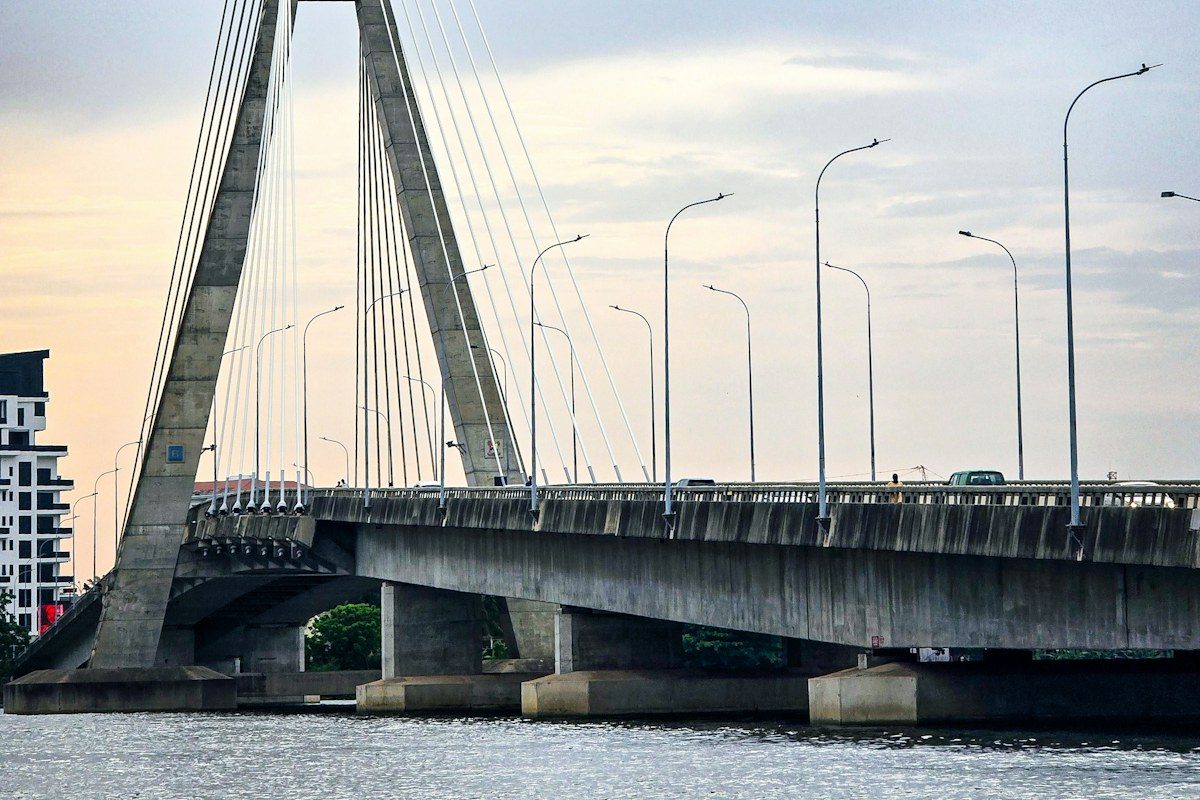
Nigeria has traditionally relied on public funds to finance infrastructure projects such as energy, transportation, water and health. However, progress was hampered by budget constraints and inefficiencies in project implementation. To supplement government funding, Nigeria sought financial assistance from multilateral and bilateral partners. Organizations such as the World Bank/International Monetary Fund, African Development Bank, among others, provided loans and grants for infrastructure projects. These funds bridged the financing gap and brought in technical expertise and international best practices.
To meet the over-expanding needs of citizens, new or innovative solutions/models were required, leading to the introduction of infrastructure financing models such as the Public- Private Partnerships ( PPPs), the CAPITAL MARKET and Green BONDS, the Pension and Sovereign Wealth FUNDS and the Islamic Sukuk bonds or certificates, amongst others, that aimed to meet the identified needs. Out of these models, is the largely untapped but rapidly growing Islamic Finance .
The Islamic Finance can serve as a complementary source of funding for infrastructure development in developing economies. The Islamic finance assets has grown rapidly to about $3.96 trillion dollars in 2021 and expected to reach about 5.96 trillion dollars by 2026, according to the 2023 State of the Global Islamic Economy Report. The Islamic Finance provides a great opportunity to finance social and economic infrastructure development.
The Asset-based approach of Islamic Finance promotes using tangible or intangible assets in transactions, which makes infrastructure assets perfect items for financing by Islamic Financing methods and tools or products. Public-Private-Partnership (PPP) infrastructure and Islamic finance’s basic principles require risk sharing. This allows capital providers to participate in the underlying economic activities and contribute to social and economic development. FURTHERMORE, Islamic finance promotes socially responsible infrastructure investments which aligns with the development goals of interested economies.
Infrastructure PPP projects can be financed in a Shariah-compliant manner by applying equity financing through muda’rabah (partnership in profit), waka’lah (agency) and musha’rakah (contractual partnership); or debt-like financing through mura’bahah (sale with profit), Istisna’ (build/manufacture), Ija’rah (leasing) and salam (advance purchase). In practice, the most frequently used structures in Islamic project finance are a combination of two separate structures in one transaction: - Istisnah – ija’rah (agency and leasing; and musha’rakah – ija’rah (contractual partnership and leasing). Sukuuk (Islamic bonds or certificates) is also suitable for Islamic finance-backed PPP transactions.
Nigeria has been actively issuing Sukuuk bonds to fund its infrastructure since its inaugural issuance in 2017. The Federal Government has raised a total of over ₦612.56 billion through three issuances of sukuuk, aimed at developing key national infrastructure. In 2024, the Federal Government has continued to leverage sukuk to fund essential infrastructure projects in the transportation, energy and education sectors, with the most recent issuance being a ₦350 billion sovereign sukuk issued through the FGN Roads sukuk Company1PLC.
The FGN recently proposed issuing its first dollar-denominated sukuk, valued at $500 million dollars. This proposal was approved by lawmakers as part of President Tinubu’s broader plan to borrow $2.21 billion from foreign investors to help address the country’s budget deficit. Significant portions of the funds raised have been dedicated to the rehabilitation and construction of over 25 major federal highways across the six geopolitical zones of Nigeria. Notable examples include: - Lokoja-Benin Road, Enugu-Port-Harcourt Road, Kano-Maiduguri express way in addition to Bridge construction and Rehabilitation. Moreover, the Nigerian Securities and Exchange Commission (SEC) has an ambitious master plan and target to list 50 sharia-compliant products with a combined market capital of at least ₦5 trillion (USD 11 billion) by the end of 2025.
According to the State of Enterprise Report 2024, Nigeria’s Islamic finance industry grew to ₦2.5 trillion in 2023, up from ₦1.5 trillion in 2022. Islamic banking led the sector with ₦1.36 trillion in total assets, followed by Sukuk bonds at ₦1.09 trillion, while the remainder comprised Islamic (mutual) funds and takafful (insurance).
The Nigerian National Pension Commission (PenCom) equally launched the Islamic Non-Interest Fund in September 2021, to provide a sharia-compliant investment option. The fund’s assets expanded from ₦7.79 billion in September 2021 to ₦54.27 billion by the end of January 2024, marking an impressive increase of over 500%.
At the 2024 Islamic Development Bank annual meetings in Saudi Arabia, Jaiz Bank Plc and the Islamic Corporation for the Development of the Private Sector signed a $20 million dollars memorandum of understanding targeted at boosting its capital base in compliance with the Central Bank of Nigeria’s new minimum capital requirements. In 2025, similar strategic agreements are likely to emerge as Islamic financial institutions explore diverse options to meet the CBN minimum capital requirements.
The above growth and impact of Islamic finance in about a decade, shows at least, the Islamic Sukuk bonds/certificates have proven to be effective and innovative alternative to traditional infrastructure and debt financing models. Nigeria should therefore build on successful momentum by making Islamic Sukuk a core part of its infrastructure financing strategy. By expanding the scope of Sukuk use across different sectors, enhancing investor education and fostering robust regulatory framework, Nigeria can fully harness the benefits of this innovative financial instruments to address infrastructure needs, drive economic growth, boost trade, and improve the quality of life of her citizens.
Comments
No comments yet.